

Last Updated: November 3, 2026
Quick Summary
To sell alcohol in England and Wales, you need the Level 2 Award for Personal Licence Holders (APLH). This accredited qualification is required before you can apply for a personal licence, the legal document that lets you sell or authorise the sale of alcohol. You must pass the APLH before submitting your application to your local council. Information on the Level 2 Award for Personal Licence Holders (APLH)
- You need a personal licence to authorise the sale of alcohol under a premises licence, bar staff serving drinks can be authorised by a personal licence holder, but that Personal Licence holder may be liable for any underage sales made by the person they have authorised to make that sale.
- The APLH is a Level 2 qualification assessed by a multiple-choice test you must pass to get your certificate.
- Scotland uses the Scottish Certificate for Personal Licence Holders (SCPLH) instead, and APLH certificates are not accepted there.
- You apply to the council where you live, not where the venue is, and must include a basic DBS check and two photographs.
- The rules for selling alcohol online are the same as for those when selling face-to-face, click here for more information. Selling alcohol online
Table of Contents
- Which Qualification Do You Need to Sell Alcohol?
- The APLH Level 2 Qualification Explained
- How to Apply for a Personal Licence Step by Step
- Sell Alcohol Online Licence Requirements
- Scotland and Northern Ireland: Different Rules, Different Courses
- Costs, Renewals and Ongoing Obligations
- Common Application Mistakes and Edge Cases
- Book Your Course and Start Selling Alcohol
- Frequently Asked Questions
Which Qualification Do You Need to Sell Alcohol?
If you want to authorise the sale of alcohol in England and Wales, the qualification you need is the Level 2 Award for Personal Licence Holders (APLH). This is the accredited qualification required before you can apply for a personal licence, which is the legal document that lets you sell or authorise the sale of alcohol.
Here at Knight Training, we run the online APLH course and exam, so you can study at your own pace and sit the test from home.

But here's what most guides get wrong. The APLH is not the only thing you might need. The qualification depends on where you work, what your role is, and which part of the UK you operate in.
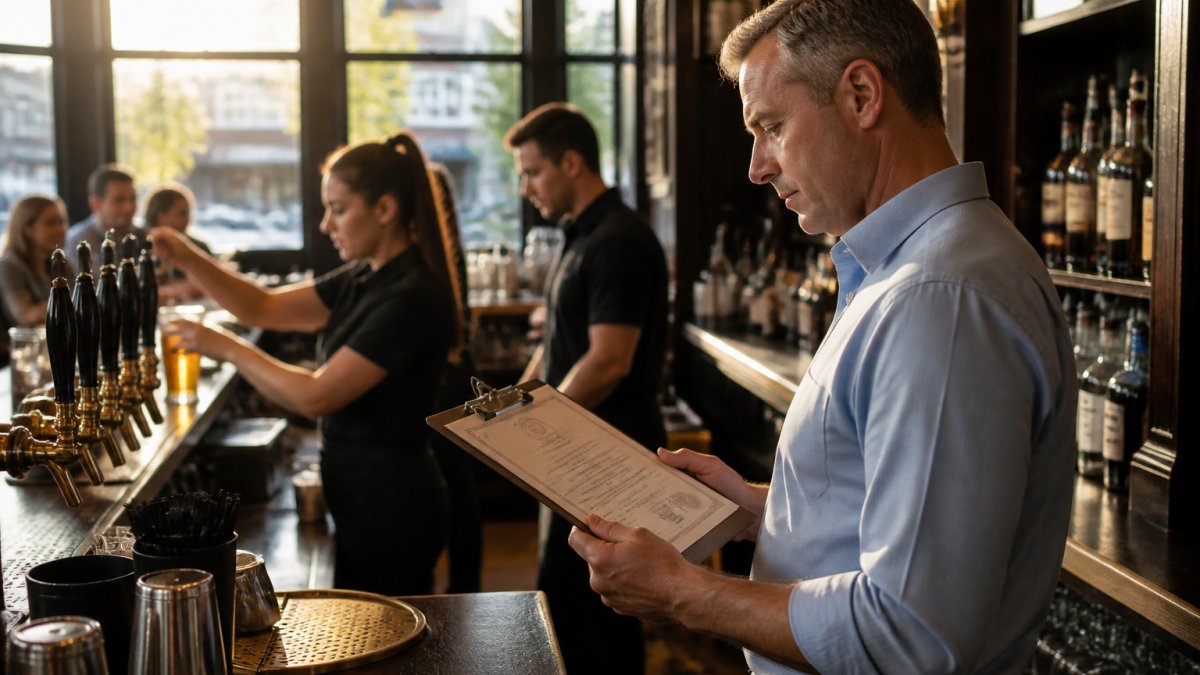
Who needs a personal licence and who does not
You need a personal licence if you want to sell alcohol, or authorise sales, under a premises licence (Alcohol licensing). That covers designated premises supervisors, pub managers, and anyone running alcohol sales day to day.
You do not need one to serve drinks behind the bar. Staff who serve alcohol work under the supervision of a personal licence holder. They need training, not a licence.
The law is set out in the Licensing Act 2003, and it separates the person who authorises sales from the people who carry them out. The official guidance on the Licensing Act 2003 is worth reading before you plan your staffing.
The APLH Level 2 Qualification Explained
The APLH is a Level 2 accredited qualification. It teaches the legal responsibilities of a personal licence holder, including the licensing objectives, age verification, and how to refuse a sale properly.
The course itself is short. Most learners finish the online learning in a few hours and book the exam when they feel ready. The assessment is a multiple-choice test, and you need to pass it to get your certificate.
The course covers the key knowledge required to pass the Level 2 Award for Personal Licence Holders and understand the legal responsibilities involved in alcohol sales.
Topics include:
• The role and legal responsibilities of a Personal Licence Holder
• The four licensing objectives
• Licensing authorities and the licensing system
• Responsible alcohol retailing
• Preventing underage sales and protecting children
• Dealing with unauthorised licensable activities
• Temporary Event Notices (TENs)
• Police powers and rights of entry
• Alcohol awareness, health effects and social responsibility
• Operating schedules and designated premises supervisors
This training ensures you have the knowledge required to operate responsibly within the UK licensing framework.
The qualification is delivered by an accredited provider and awarded by an awarding body such as Highfield. Knight Training is accredited by the Highfield Awarding Body and the BIIAB, our learners get a free resit with every booking.
How to Apply for a Personal Licence Step by Step
Applying for a personal licence follows a set process, and the order matters. Get a step out of sequence and your local licensing authority will send it back.
Here is the process in order:
- Check you are eligible. You must be at least 18 years old and have the right to work in the UK (Personal licences).
- Pass the APLH qualification. You need your certificate before you apply.
- Complete a basic DBS check. The licensing authority needs to see your criminal record status.
- Gather two photographs. One must be endorsed as a true likeness by a suitable person.
- Submit your application to the licensing authority. This goes to the council for the area where you live.
- Pay the fee and wait. The authority checks your application and makes a decision.
The application needs to show you have no relevant offences that would disqualify you. Relevant offences cover a range of crimes, including those involving alcohol, violence, and dishonesty. A conviction does not automatically block you, but you must declare it.
Personal licenses must be renewed with declarations of relevant offences, excluding spent convictions, including foreign ones. Offences include breaches of licensing laws, crimes involving firearms, drugs, theft, assault, sexual offences, violence, fraud, and offences relating to alcohol, drugs, firearms, or trafficking. Convictions may become spent after specified periods, affecting disclosure requirements. If convicted or charged, licence holders must inform authorities promptly to avoid revocation.
If paperwork is not your strength, our personal licence application service handles the submission for you, so nothing gets bounced back over a missing form.
Sell Alcohol Online Licence Requirements
Selling alcohol online does not need a separate qualification. The same personal licence and premises licence rules apply, whether you sell from a shop or a website.
But online sales bring extra duties. Distance sales, delivery, and click-and-collect all need age verification at the point of sale and at the point of delivery. The person delivering must be able to refuse if the buyer looks under 18 and cannot prove their age.
The key requirements for online alcohol sales are:
- A premises licence covering the storage and dispatch address
- A personal licence holder to authorise the sales
- Age verification at checkout
- Age verification on delivery
- Clear records of sales and refusals
Online alcohol sales still sit under the same licensing objectives. Protecting children from harm is the one that catches most online sellers out. If your courier cannot verify age at the door, your process is not compliant.
Scotland and Northern Ireland: Different Rules, Different Courses
The APLH covers England and Wales only. Scotland has its own system, and the certificates do not cross over.
Personal Licence Course Online (APLH Level 2) – England & Wales →
England and Wales
- Qualification: Level 2 Award for Personal Licence Holders (APLH).
- Regulator: the licensing authority at the council where you live.
- Application route: submit to your local council, with a basic DBS check and two photographs.
- Licence duration: no expiry, but you must notify the authority of changes or relevant convictions.
Scotland
- Qualification: Scottish Certificate for Personal Licence Holders (SCPLH).
- Regulator: your local Licensing Board.
Our Scottish personal licence course covers the SCPLH online, with a remotely invigilated exam you can sit from home. If you work across borders, check which certificate applies to each site before you book anything. The Scottish Government's licensing guidance gov.scot sets out the refresher training requirement in more detail.

Watch out: booking an APLH course for a Scottish venue is a common and costly mistake. The certificate will not be accepted by a Scottish Licensing Board.
Costs, Renewals and Ongoing Obligations
The course is the main cost you control. Our Personal Licence Course Online (APLH Level 2) is £125.00, and the Personal Licence Course + Application Service (Full Package) is £258.00. The Scottish Personal Licence Course Online (SCPLH) is £125.00, and the Scotland Personal Licence Course + Application Service (Full Package) is £243.33.
The licensing authority charges its own fee for processing your application. That fee is set locally, so check with your council before you budget. A basic DBS check also carries a fee, and the cost depends on the route you use.
A common pattern is for operators to budget for the course and application fee but forget the DBS check and the cost of staff training. Build both into your opening budget. The [gov.uk guidance on personal licences | gov.uk] sets out the official position on personal licences.
Here are the course prices and the extra costs you need to budget for.
Item |
Cost |
Note |
|---|---|---|
Personal Licence Course Online (APLH Level 2) |
£125.00 |
Course and Exam only |
Personal Licence Course + Application Service (Full Package) |
£258.00 |
Course, Exam and application handled |
Scottish Personal Licence Course Online (SCPLH) |
£125.00 |
Course and Exam only |
Scotland Personal Licence Course + Application Service (Full Package) |
£243.33 |
Course, Exam and application handled |
Licensing authority application fee |
£37 |
Check with your council |
Basic DBS check |
£20 |
Cost depends on the route you use |
Common Application Mistakes and Edge Cases
The most common mistake is applying before the qualification certificate arrives. The licensing authority will reject an application that is missing it.
Other frequent problems:
- Undeclared convictions. Even spent convictions may need declaring on a licence application. Hiding one is far worse than listing it.
- Wrong authority. You apply to the council where you live, not where the venue is. Get this wrong and the application goes back.
- Poor photographs. The endorsement must be signed by the right kind of person, and the photo must meet the size rules.
- Out-of-date DBS check. To apply for a personal license, you must ensure that the check is within the last 28 days of when the application is made. This is important for the authority to accept your application
There are edge cases too. If you have a relevant offence, the authority can still grant a licence, but it will look at the circumstances. An application is not automatically refused. Guidance
Watch out: a rejected application costs you time and the fee, and it can delay an opening date. Our guide on why personal licence applications get rejected explains the deeper reasons applications fail.
Book Your Course and Start Selling Alcohol
The qualification you need to sell alcohol in England and Wales is the APLH Level 2. Pass it, apply for your personal licence, and you can authorise alcohol sales.
The fastest route is to book the course and get started today. Study online, sit the exam from home, and move straight into your application.
If you want both stages handled, our full course and application package combines the APLH training with the personal licence application service. One booking covers both stages.

Frequently Asked Questions
What qualification do I need to sell alcohol?
In England and Wales you need the Level 2 Award for Personal Licence Holders (APLH) before you can apply for a personal licence. In Scotland the equivalent is the Scottish Certificate for Personal Licence Holders (SCPLH). Both are accredited qualifications delivered by approved training providers, and you must pass an exam to receive your certificate. If you only serve alcohol under someone else's supervision, you may not need the qualification, but your employer should still provide staff training.
Do I need a personal licence to sell alcohol?
You need a personal licence if you authorise alcohol sales or act as the designated premises supervisor (DPS) on a premises licence. Bar staff who simply serve alcohol under supervision do not need one. The personal licence is issued by your local licensing authority after you pass the APLH or SCPLH course and complete a criminal record check. Most venues require at least one personal licence holder on the team.
Can I sell alcohol without a personal licence?
You can serve alcohol without a personal licence if you work under the supervision of a personal licence holder and the premises holds a valid premises licence. However, you cannot authorise sales or act as DPS. Selling alcohol without any licence in place is a criminal offence. If you plan to run a venue or manage alcohol sales, you will need to complete the qualification and apply for a personal licence through your local authority.
Do I need a qualification to sell alcohol online?
Online alcohol sales still require a premises licence and a designated premises supervisor who holds a personal licence. The licence covers distance sales, so age verification and delivery checks must be in place. If you are the person authorising online sales, you need the same APLH or SCPLH qualification as a high-street venue. Your staff should also receive training on age verification and responsible delivery.
Getting the qualification wrong costs you time, money, and possibly your opening date. Knight Training is accredited by the Highfield Awarding Body and the British Institute of Innkeeping, and our online courses include a free resit plus tutor support. Get started with Knight Training and get qualified, apply, and start selling alcohol with confidence. Contact us today.
