

Table of Contents
- Why Personal Licence Applications Get Rejected
- Relevant Offences and Personal Licence Eligibility
- DBS Check for Personal Licence: Common Issues
- Personal Licence Application Process: Getting It Right
- Documentation Errors That Cause Rejection
- How to Recover From a Rejected Application
- Checklist: Essential Documents for Your Application
- Frequently Asked Questions
Last Updated: September 29, 2026
Why Personal Licence Applications Get Rejected
Personal licence application rejections occur for one simple reason: incomplete or incorrect paperwork. The vast majority of rejections come down to missing documents, errors in forms, or failure to meet eligibility requirements before you even apply. (Source: Licensing Act 2003)

This is frustrating because rejection delays your ability to work in licensed premises. It also costs time and money to reapply. Understanding why applications fail is the fastest way to avoid that outcome. At Knight Training, we've supported many individuals through the personal licence application process, and we've seen the patterns emerge clearly.
The good news: most rejections are preventable. They're not about failing an exam or lacking knowledge. They're about paperwork. Get the paperwork right, and your application moves forward.
Relevant Offences and Personal Licence Eligibility
Before you apply for a personal licence, you must meet basic eligibility criteria. If you don't, your application will be rejected immediately.

Under UK licensing law, having a criminal conviction does not automatically stop you from getting a personal alcohol licence, but you must declare any unspent convictions for relevant offences.
The Licensing Act 2003 sets out which offences are considered relevant. These include:
- Violent and sexual offences
- Drug and firearms offences
- Dishonesty (such as theft, fraud, or handling stolen goods)
- Alcohol-related driving offences (like drink-driving)
- Breaches of licensing law itself
Unspent convictions must be disclosed on your application alongside a basic Disclosure and Barring Service (DBS) check.
The Police Objection Process
When you declare an unspent relevant conviction, the licensing authority sends your application to the police.
- The police have 14 days to review the disclosure and decide whether to object.
- They can object if they believe granting you a licence would undermine the crime-prevention licensing objective.
- If the police do not object, your licence is granted.
- If the police do object, the local council holds a hearing to review the nature and recency of the crime before making a final decision
DBS Check for Personal Licence: Common Issues
Under the Licensing Act 2003 in England and Wales, anyone applying for a personal licence to sell or authorize the sale of alcohol must submit a recent Basic DBS (Disclosure and Barring Service) check alongside their application.
Legal and Application Requirements
- The Law: Section 120 of the Licensing Act 2003 requires applicants to provide a criminal conviction certificate, a criminal record certificate (basic DBS check), or a police national computer search result to prove their suitability.
- Time Limit: The DBS certificate must typically be issued within one calendar month (or 28–30 days, depending on the local authority) of the date the application is submitted.
- Level of Check: Only a Basic DBS check is required, which shows any unspent criminal convictions. Standard or enhanced checks are not necessary
Common DBS problems that cause rejection:
The DBS certificate is out of date.
- Exact match: Names, dates of birth, and addresses must correspond with your supporting ID documents.
- Middle names: You must include all middle names; omitting them or using only an initial when your ID shows a full name can cause a mismatch.
- Rejection risk: Errors or discrepancies can lead to the DBS withdrawing the application, meaning you must reapply and pay again.
You need a Standard DBS check for a personal licence application, not an Enhanced check. Some applicants order the wrong level and waste time and money.
The DBS certificate is illegible or damaged. Photocopies that are unclear get rejected. Submit a clear, original or certified copy.
You haven't ordered a DBS check at all. This is surprisingly common. Some applicants think their previous employment DBS is sufficient. It isn't. You need a fresh DBS check specifically for your personal licence application.
The DBS check shows unspent convictions you haven't disclosed on your form.
Be careful when you order your DBS, if it is ordered too soon and you haven’t received you hard copy of the APLH Certification, your DBS could be over the 30 days and the whole application process would have to start again!
Personal Licence Application Process: Getting It Right
The personal licence application process has multiple stages. Each stage requires specific documents and careful attention to detail.
Stage 1: Complete your qualification. You must pass the Award for Personal Licence Holders (APLH) or equivalent qualification before you can apply. Your qualification certificate is proof you know the law and can do the job.
Stage 2: Gather your documents. Before you submit anything, assemble everything the licensing authority requires. This varies slightly by region, but typically includes:
- Your DBS certificate (dated within one month)
- Your APLH qualification certificate
- Proof of right to work in the UK
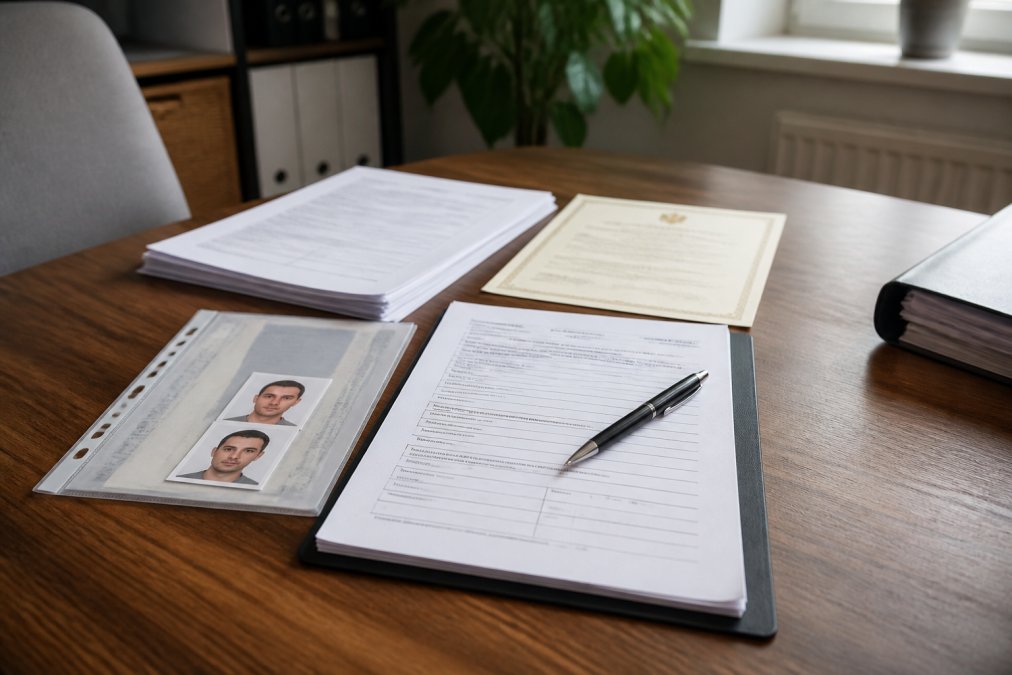
- Two passport-style photos (certified)
- Completed application form
- Proof of your home address
- Disclosure of convictions form
Stage 3: Submit to the correct authority. This is where many applications go wrong. You must apply to the licensing authority that covers your home address, not your workplace. Some areas have a local council licensing office. Others have a licensing partnership. Find the right one before you apply.
Stage 4: Pay the application fee. Fees vary by region. Pay the wrong amount or forget to pay, and your application stalls.
Stage 5: Wait for processing. Processing times can vary. Don't chase them after two weeks. Give them time.
Many applicants rush this process. They submit incomplete forms, send documents to the wrong office, or forget to include required paperwork. Then they're surprised when the application is rejected.
Take your time. Use a checklist. Double-check everything before you submit.
Documentation Errors That Cause Rejection
Documentation errors are the single biggest reason personal licence applications are rejected. These are entirely avoidable. (Source: Disclosure and Barring Service (DBS))
Missing documents. The most common error. You've included some documents but not all. The licensing authority sends a rejection letter asking for the missing item. You resubmit. Weeks pass. You could have avoided this by including everything the first time.
Illegible copies. Your documents are photocopied so poorly that the licensing authority can't read them. Certification details are blurred. Your signature is missing. Submit clear, legible copies. If you're posting documents, send originals or certified copies, not poor photocopies.
Incomplete information on the form. You've left fields blank. You've written "N/A" when you should have given a full answer. You've provided partial information. Licensing authorities reject incomplete forms. Complete every field, even if the answer is "no" or "not applicable." Use clear language.
Incorrect personal details. Your name, date of birth, or address on the application doesn't match your DBS certificate or passport. This triggers a rejection. Check three times before submitting.
Photos that don't meet requirements. Your passport photos are too old, too informal, or not certified. They're taken at an angle. They don't show your full face. Licensing authorities have strict rules about photos. Follow them exactly.
Proof of right to work that's expired. You've included a document that doesn't prove your right to work in the UK. Ensure your proof of right to work is current and acceptable.
No payment or incorrect payment. You've forgotten to pay the application fee, or you've paid the wrong amount. The authority rejects the application until payment is received.
Missing certification on photos. You've included passport photos, but they're not certified. A licensing authority won't accept uncertified photos. Have them certified by a suitable professional.
These errors are frustrating because they're so easy to prevent. A simple checklist catches all of them.
How to Recover From a Rejected Application
If your application is rejected, don't panic. Most rejections can be fixed.
Read the rejection letter carefully. The licensing authority explains why your application was rejected. It's usually one or two specific issues. Address those issues directly.
Gather the missing or corrected documents. If you're missing a document, obtain it. If a document has errors, correct it and resubmit. If your form was incomplete, fill in the missing information.
Resubmit promptly. Don't delay. The sooner you resubmit, the sooner your application progresses. Some authorities allow you to resubmit immediately. Others have a waiting period.
Contact the licensing authority if you're unsure. If the rejection letter is unclear, call or email the licensing authority.
Checklist: Essential Documents for Your Application
Before you submit your personal licence application, use this checklist. Tick off each item as you gather it. Don't submit until everything is ready.
Document |
Required |
Status |
|---|---|---|
DBS Certificate (within 1 months) |
Yes |
☐ |
APLH Qualification Certificate |
Yes |
☐ |
Proof of Right to Work |
Yes |
☐ |
Two Certified Passport Photos |
Yes |
☐ |
Completed Application Form |
Yes |
☐ |
Proof of Home Address |
Yes |
☐ |
Application Fee Payment |
Yes |
☐ |
Disclosure of convictions form |
Yes |
☐ |
Covering Letter (optional but recommended) |
No |
☐ |
Before you submit:
- Check every field on the form is complete
- Verify your name, date of birth, and address match across all documents
- Ensure your DBS certificate is dated within one month
- Confirm your passport photos are certified
- Confirm you're submitting to the correct licensing authority
- Double-check the application fee amount for your region
- Keep copies of everything you submit
Frequently Asked Questions
What are the most common reasons a personal licence application gets rejected?
Applications are most often rejected due to incomplete documentation, incorrect DBS information, mismatched personal details, or failure to meet the personal licence application process requirements. Missing certified passport photos, incorrect address details, or omitting required supporting documents are frequent issues. Relevant offences on your record can also trigger rejection if not properly disclosed. Working with an application service ensures all paperwork is accurate before submission.
Can I reapply for a personal licence after rejection?
Yes, you can reapply after a rejection. However, you must address the specific reasons for the rejection first. If your DBS check for personal licence contained errors, you'll need to request a correction. If documentation was incomplete, gather all required materials before submitting again. Many applicants find it helpful to use a professional application service to review their paperwork and prevent the same mistakes occurring twice.
Will a criminal record automatically disqualify me from getting a personal licence?
Not automatically. Whether relevant offences affect your personal licence eligibility depends on the nature and timing of the offence. The licensing authority assesses each application individually. Some offences may not prevent you from obtaining a licence, whilst others could. Full disclosure is essential—failing to declare offences is far more damaging than the offence itself. Speak with a licensing expert if you're uncertain about your eligibility.
How can I ensure my DBS check for personal licence is accurate?
Review your DBS certificate carefully before submission. Check that all personal details match your application exactly, including name spelling, date of birth, and address. If you spot errors, request a correction from the Disclosure and Barring Service before resubmitting. Mismatches between your DBS and application form are a common rejection reason. Allow extra time for DBS processing—delays in obtaining your certificate can slow down your entire personal licence application process.