

Table of Contents
- Why Compliance Training Matters for Small Pubs
- Personal Licence Holder Training Requirements
- Food Safety Training for Pubs: Legal Obligations and Best Practice
- Health and Safety Training for Pub Staff
- How to Keep a Training Record for Pub Staff
- Creating a Training Schedule That Works for Your Team
- Implementing Compliance Training in Your Pub
- Frequently Asked Questions
Last Updated: 25 September 2026
Compliance training isn't optional for pubs. It's the foundation that keeps your business operating legally and protects both your team and your customers. At Knight Training, we've helped numerous pub managers and staff navigate the complex landscape of hospitality compliance training for small pubs, and the difference between a well-trained team and an unprepared one is stark. (Source: The Licensing Act 2003 statutory guidance)
This guide covers the essential areas where hospitality compliance training for small pubs matters most: personal licences, food safety, health and safety, and record-keeping. You'll learn what your team needs to know, how to implement training efficiently, and why getting this right early saves time and money later.


Why Compliance Training Matters for Small Pubs
Your pub operates under a web of legal obligations. These aren't suggestions or best practices, they're requirements set by licensing authorities, environmental health teams, and health and safety regulators. When your staff aren't trained, you're exposed.
Non-compliance can result in:
- Licence suspension or revocation
- Substantial fines
- Reputational damage
- Staff liability issues
- Loss of revenue during investigations
Small pubs often assume compliance is a one-time box to tick. It isn't. Training needs to be refreshed, documented, and embedded into how your team works every single day.
The good news: compliance doesn't have to be complicated. Structured training, clear records, and a practical approach make it manageable, even for venues with limited resources.
The Licensing Act 2003 statutory guidance
Personal Licence Holder Training Requirements
A Personal Licence is non-negotiable if you want to authorise the sale of alcohol. The person holding this licence, typically the owner or a senior manager, must have completed approved training and passed an exam.
The Award for Personal Licence Holders (APLH) Level 2 qualification is the standard requirement. This covers:
- The Licensing Act 2003 and licensing objectives
- Permitted hours and conditions
- Underage sales prevention
- Health and safety responsibilities
- Record-keeping obligations
Your Personal Licence holder needs to understand these areas deeply because they're personally accountable to licensing authorities. This isn't theoretical knowledge, it's practical understanding that shapes daily decisions.

Personal Licence Course Online (APLH Level 2) – England & Wales
Many pub owners complete this training once and assume they're done. The reality is that licensing law changes, and your knowledge needs updating. Annual refresher training is a sensible investment, even if not strictly mandated. (Unless you are in Scotland where it is mandatory to refresh every 5 years)
Knight Training's Personal Licence Course Online (APLH Level 2) or the Scottish Personal Licence Course Online (SCPLH) can be completed at your own pace, with the exam taken online. This means no travel time and no disruption to your business. The course includes one free resit exam, so you can study thoroughly without worrying about the cost of a second attempt.
Food Safety Training for Pubs: Legal Obligations and Best Practice
Food safety is where many small pubs struggle. You're required by law to ensure anyone handling food, whether it's preparing a pie, plating a burger, or even just reheating a sandwich, has appropriate food safety training.
The standard is set by food safety legislation. Staff working with food need to understand:
- Cross-contamination risks
- Temperature control
- Allergen handling
- Personal hygiene
- Cleaning and sanitising procedures
Who Needs Food Safety Training
Not everyone in your pub needs the same level of training.
Bar staff handling pre-packaged snacks or drinks only need basic awareness.
Kitchen staff preparing hot or cold food need formal food safety training.
Managers overseeing food operations benefit from supervisor-level training so they can spot risks and guide their team.
The level of training depends on what people actually do. A bartender who occasionally microwaves a pasty needs different training from someone preparing fresh salads daily.
Choosing the Right Level of Training
Food safety training comes in tiers:
Level 1 covers the basics for lower-risk roles. This is appropriate for staff in minimal food handling roles.
Level 2 is the standard for most hospitality workers. It covers practical food safety principles and is widely recognised across the industry.
Level 3 is for supervisors and managers who need to understand food safety systems, hazard analysis, and how to manage compliance across a team.
For a small pub, most of your team will need Level 2. Your manager might benefit from Level 3 so they can oversee food safety standards and train others.
Personal Licence Course Online (APLH →
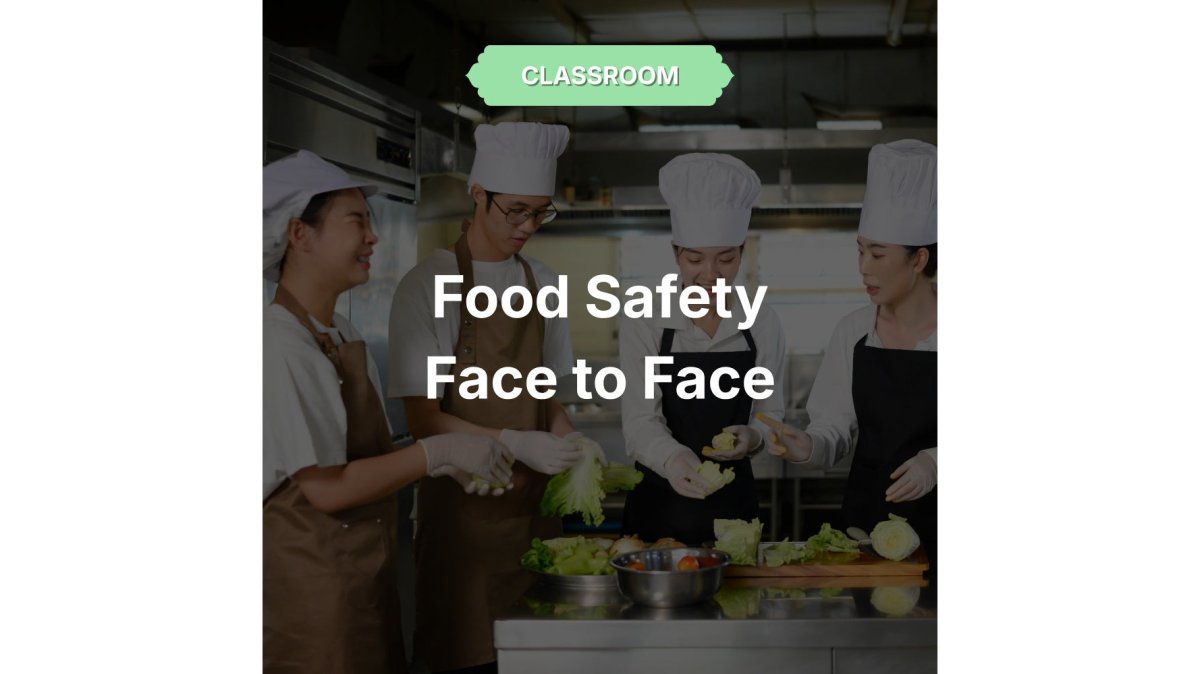
Knight Training's Food Safety Face to Face courses are delivered at our training centres or on-site at your premises, starting at £75.00. Face-to-face training means your team gets hands-on guidance and can ask questions in real time. We offer Level 1, Level 2, Level 3, and specialist Food Allergy training.
Health and Safety Training for Pub Staff
Health and safety in pubs covers more ground than many people realise. Your team faces risks from slips and falls, manual handling, noise exposure, and working under pressure.
Every employee has a right to a safe workplace, and you have a legal duty to provide training and systems that protect them.
Essential areas include:
- Slip and fall prevention
- Manual handling (lifting barrels, stacking glasses, moving stock)
- Fire safety and evacuation procedures
- First aid awareness
- Reporting hazards and near-misses
Fire safety is particularly important. Your pub must have a fire safety plan, and staff need to know evacuation routes, assembly points, and how to use fire equipment.

Knight Training's Fire Safety Level 2 course covers fire prevention, risk identification, and emergency response. At £25.00, it's an affordable way to ensure your team understands fire safety obligations. The course is available online and can be completed at your own pace.
A common mistake is treating health and safety training as a one-off induction activity. It needs to be part of your ongoing culture. Regular toolbox talks, hazard spotting, and refresher sessions keep safety front of mind. Maintaining these high standards extends to your premises hygiene, where a thorough health inspection checklist ensures that every corner of the cellar and kitchen remains compliant with local regulations.
How to Keep a Training Record for Pub Staff
Compliance authorities will ask to see evidence that your team has been trained. If you can't produce records, you can't prove compliance, and that puts you at serious risk.
What Your Records Must Include
Your training records should document:
- The name of the person trained
- The date of training
- The topic or qualification (e.g., Personal Licence, Food Safety Level 2)
- The trainer or training provider
- The outcome (passed, not yet assessed, etc.)
- Any certificates or evidence of completion
For formal qualifications like Personal Licence or food safety, keep the certificate itself. For informal training like fire safety toolbox talks, record the date, topic, attendees, and who delivered it.
How Long to Retain Training Records
Keep records for as long as the person works for you, plus at least three years after they leave. This protects you if questions arise later about whether training was current when an incident occurred.
Digital records work well, a spreadsheet or simple database is sufficient. Just make sure it's backed up and accessible to whoever needs to verify compliance.
Creating a Training Schedule That Works for Your Team
Training doesn't have to disrupt your business. The key is planning ahead and using flexible delivery methods.
Start by mapping what training your team needs:
- Who holds the Personal Licence?
- Who works in the kitchen or handles food?
- Who needs fire safety awareness?
- When do qualifications expire?
Next, decide on timing. Many pubs schedule training during quieter periods, perhaps a Monday morning or Tuesday afternoon when customer numbers are lower. Others use online courses so staff can learn during gaps between shifts.
For small teams, stagger training so you're not removing everyone at once.
Implementing Compliance Training in Your Pub
Getting training in place is straightforward if you follow a logical sequence.
Choosing Between Online and Face-to-Face Training
Both approaches work. Your choice depends on your team and your constraints.
Common Mistakes to Avoid
Not documenting training. Records are your proof of compliance. Without them, you're vulnerable.
Frequently Asked Questions
What are the mandatory training requirements for pub staff in the UK?
Staff handling alcohol must understand licensing laws under the Licensing Act 2003. Personal Licence holders need formal qualification (APLH Level 2). All food handlers require food safety training. Health and safety training is compulsory for all employees. The Designated Premises Supervisor (DPS) can hold the ADPS award, but this is not mandatory. Requirements vary by role and responsibility, so assess each staff member's duties to determine what training they need.
Do small pubs need to provide formal food safety training?
Yes. The Food Standards Agency (FSA) requires anyone handling food to have food safety training appropriate to their role. Small pubs cannot exempt themselves from this requirement. Training level depends on the complexity of food handling: basic awareness for bar staff serving pre-packaged items, or Level 2 for those preparing or handling fresh food. Face-to-face training ensures your team understands practical food handling in your specific pub environment.
How often should pub staff undergo health and safety refresher training?
Health and Safety at Work etc. Act 1974 requires employers to provide training when staff start and whenever roles change or new hazards emerge. Refresher training should occur annually or when legislation updates. Alcohol licensing training should be refreshed every few years as regulations evolve. Keep records of all training dates to demonstrate compliance with the Health and Safety Executive (HSE) requirements.
How do I know the training will actually help my staff pass their exams?
Accredited training providers like Knight Training, accredited by [Highfield Awarding Body](https://www.highfieldawardings.com/), deliver courses aligned to official exam standards. Our Personal Licence Course Online includes 1 free resit exam, so staff have a safety net. Real customer feedback shows our approach works: as one customer stated, 'The staff, resources and information provided, equipped me to pass the personal licence exam without a problem.' Self-paced online learning combined with expert support materials gives staff the confidence they need.